


Top NYC Vets Reveal the Season’s Most Common Ailments & the Secrets to Keeping Pets Safe This Summer
We all know by now you can’t leave a child in a hot car–even for a moment. But what about our furry friends? How can we keep them safe this season? Yep, summertime has arrived and right along with it comes plenty of very real pet health hazards, some of them life-threatening. From the scorching summer sun to parasites and even July Forth fireworks, summer fun can be anything but for our furriest family members. Expert veterinarians at West Chelsea Veterinary in Manhattan say taking simple precautions can ensure a happier, healthier summer while avoiding unplanned vet visits at the same time.
Common Summertime Hazards Pet Parents Should Watch Out For Include:
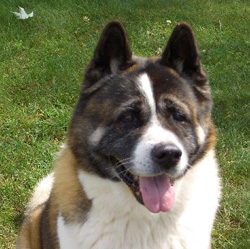 Independence Day Fears – With the loud booming and cracking of fireworks, flashing lights and the sounds of cheering people, the Fourth of July often causes confusion and fear in our household pets. “People don’t realize pets’, especially dogs’ hearing is much more sensitive than our own. Additionally, pets don’t understand where noises like these are coming from, and naturally, that can cause a great deal of anxiety in companion animals,” explains veterinarian Mike Farber of West Chelsea Veterinary.
“We do have a number of patients whose owners know their pets will have a problem coping with the noise and action of the holiday. As long as a pet has a healthy check-up, we’ll go ahead and prescribe a mild sedative to make the night easier for them,” says veterinarian Jennifer B. Berg of West Chelsea Veterinary.
Keep Them Hydrated – New Yorkers know ‘The City’ gets scorching hot in the summer. Pets, just like people, need to drink lots of water in order to stay cool and comfortable. “Hydration is very important for all mammals, so pets, like their owners, should have lots of water available to them at all times. This is especially true for shorter-nosed breed dogs such as bulldogs, older pets, and pets with chronic health issues,” says Dr. Berg.
According to Dr. Farber, pet owners should “Change their pet’s water frequently and make sure pets know where to find it. When you come home each day, take the time to clean the water bowl and put out fresh water. Heat can cause bacteria to grow in a water dish very quickly, so make sure it’s clean and ready to drink.”
Pets and Hot Cars Don’t Mix – Even running a quick errand can spell trouble for a pet that is left alone in a car during summer. “Leaving a pet in an unattended car is never a good idea, even with the windows wide open,” says Dr. Berg. “The temperature in a car can raise 20 degrees or more in just a few minutes!”
Can’t Take The Heat – “Heat stroke is the most dangerous condition we see in the summertime. It’s an extremely serious medical condition where a patient’s body temperature can skyrocket to 106 degrees and, as a result, can be fatal,” says Dr. Berg. “Patients more susceptible to heat stroke are older, obese, short-nosed breeds. It’s crucial for pet owners to pay attention to warning signs and be considerate of their pet’s heat tolerance levels. While heat stroke can be difficult to recognize at first, pets in serious danger can exhibit panting, drooling, vomiting and even weakness. We recommend owners walk their dogs in the early morning or after dusk, keeping any midday walks as short as possible.”
Lost Pets – Whether venturing out to the Hamptons or going hiking in the mountains upstate, the summer months offer plenty of opportunities to get out and explore. If pet owners take their pets with them, these adventures mean more opportunities for pets to get lost. “There is no internal GPS system for pets that would lead them back home,” says Dr. Berg. “If a pet gets separated from their owner and is lucky enough to land at a shelter or vet clinic, an implanted microchip can be the device that reunites them with their families. Also, wearing a collar with up-to-date I.D. tags is always a good idea.”
Pet-Safe Travel – Whether traveling by plane, train or automobile, Dr. Berg says “Pet owners should have their pets with them at all times. There is always a risk involved if pets are made to fly in a cargo area or holding cage. For people who need to travel with their cats by car, doing so after dark is a better time. Cats are usually less stressed at night and less likely to become car sick, too.”
Fleas, Ticks & Heartworms – In this day and age of pet portability, “Dogs that travel outside the city are often exposed to fleas and ticks. When they return to city dog runs and doggie day cares, they can expose other dogs they meet to these external parasites,” explains Dr. Berg. “Heartworm is also a concern. It’s a disease transmitted to pets through mosquito bites. The best tip for pet owners is to talk to their vets about heartworm prevention.”

